| Mechanisms in Cardiology Modules |
| |

|

|
|
About Mechanisms in Cardiology
|
|
Mechanisms in Cardiology is an animated, unique series of
educational modules in cardiovascular medicine.
It is a highly innovative, incorporating latest medical animations into educational resources,
for cardiovascular specialists and family physicians. Read More... |
| |
| This month's featured Animation |
|
|
Current and Future Modules Include...
Ischaemic Heart Disease (Angina Pectoris), Obesity, Electrocardiography, Dyslipidemia,
Congestive Heart Failure,
Syncope, Stroke, Aortic Valve Disease, Mitral Valve Disease,
Echocardiography, Nuclear Cardiology, Digitalis, Electrolytes and the Heart,
Pulmonary Embolism, Magnetic Resonance Imaging in Cardiovascular Disease, Antiarrhythmia Agents Read More...

|
|
|
|
| Primary and Secondary Prevention of CVD Module |
|
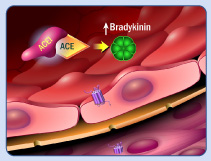
Renin Angiotensin Aldosterone System Inhibitors
Learning Objectives:
By reviewing this animation, learners will have a better understanding of how the Renin Angiotensin Aldosterone System
(RAAS) can be inhibited at various points by four different classes of drugs currently in use:
- β-blockers
- Direct renin inhibitors
- Angiotensin Converting Enzyme (ACE) Inhibitors
- Angiotensin Receptor Blockers (ARBs).

|
|
| Mechanisms in Diabetes Module |
|
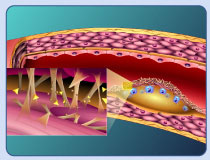
Increased Risk of Acute Coronary Syndrome In Diabetes
Learning Objectives:
As a result of reviewing this animation, learners will have a better understanding of why acute coronary events such as myocardial infarction and stroke are more likely to occur in patients with diabetes compared to the non-diabetic individuals.
|
|
| Cardio Renal Connection Module |
|
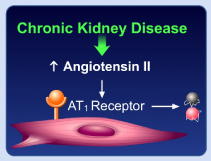
Renin angiotensin System (RAS)
Learning Objectives:
By reviewing this animation, learners will have a better understanding of the important role that activation of the RAS system plays in the development of vascular disease in patients with chronic kidney disease. Clinical trials show the value of interruption of the angiotensin system in reducing the impact of vascular disease and subsequently lowering the risk for both myocardial infarction and stroke.
|
|
|
|
|
| Mechanisms of Action - Cardiac Interventions |
|
|
|
|
|